
Lukas Dhont
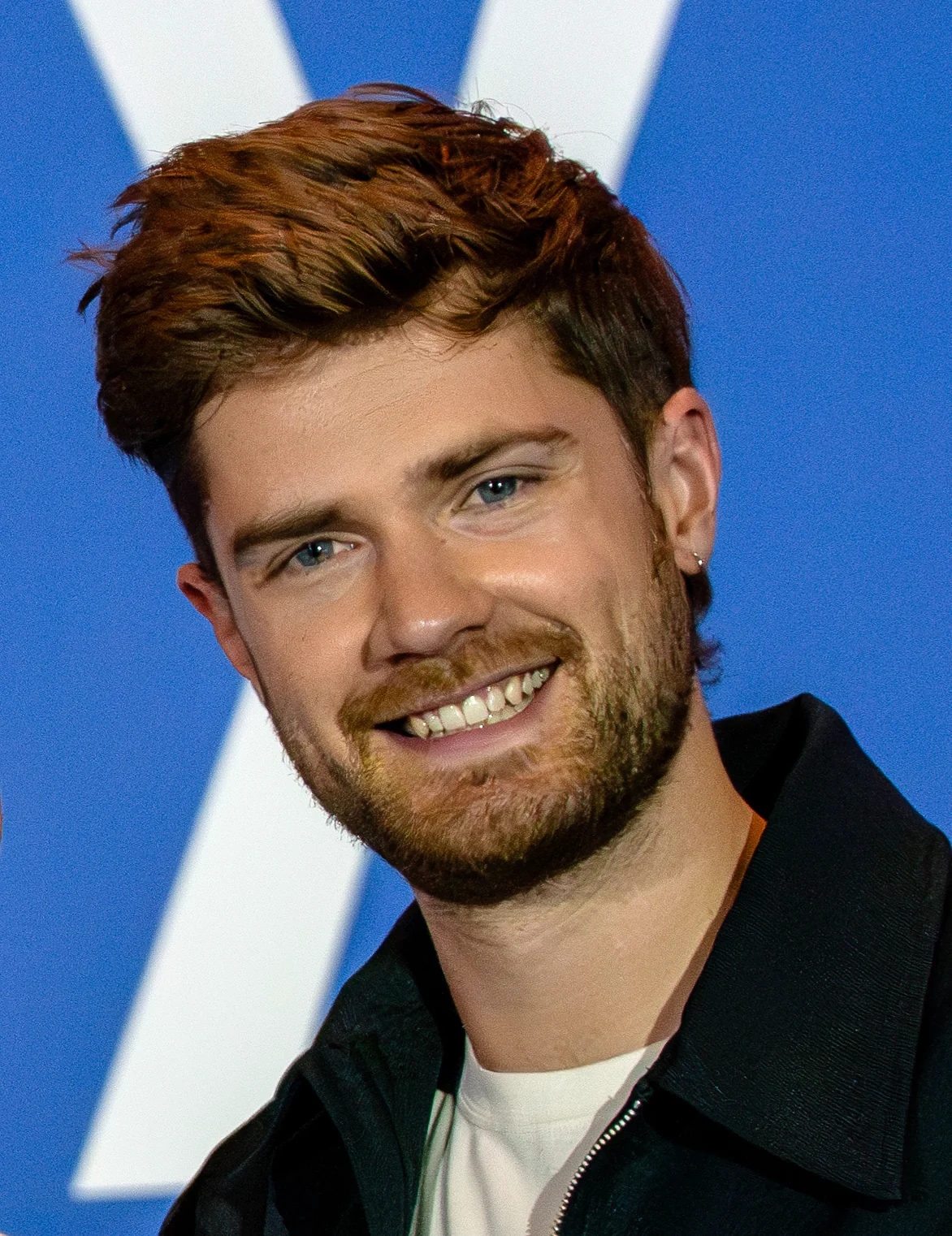
Image from Wikipedia
Image from Wikipedia
Lukas Dhont: The Belgian Director Who Rewrites Intimacy, Identity, and Vulnerability in Cinema
An Artist Portrait Defined by Sensitivity, Cinematic Precision, and Cannes Fame
Lukas Dhont, born on May 14, 1991, in Ghent, is one of the most distinctive voices in contemporary European cinema. The Belgian director and screenwriter has made a name for himself with an extraordinarily sensitive style that places physicality, identity, desire, and emotional vulnerability at the heart of his work. His films combine precise staging with a strong psychological perspective, earning him early international attention. (de.wikipedia.org)
Biographical Roots in Ghent and Training at KASK
Dhont grew up in Ghent and studied audiovisual arts at the KASK Conservatory, which is part of the Royal Academy of Fine Arts in Ghent. Even during his studies, he focused on fiction, while also exploring documentary possibilities, which has visibly influenced his later directorial work. This dual sensitivity explains why his characters rarely remain mere dramatic constructs, instead appearing as complex, authentic individuals. (festival-cannes.com)
His short films Corps Perdu and L’Infini were awarded numerous prizes and marked him as a promising talent with a clear aesthetic vision. Early recognition led Dhont to participate in the Residence of the Cinéfondation in Cannes in 2016, where he worked on the screenplay for his first feature film, Girl. This support proved to be a significant career step and firmly established him in the European festival circuit. (festival-cannes.com)
The Breakthrough with Girl: A Debut that Sparked Discussion
With Girl, Dhont achieved international breakthrough in 2018. The film tells the story of a trans girl who wants to become a ballerina, intertwining physical discipline, adolescence, and identity exploration into an intense coming-of-age drama. At Cannes, Girl was awarded the Caméra d’Or for best feature debut and also won the Queer Palm; further honors soon followed, including the André Cavens Award and several Magritte nominations. (festival-cannes.com)
The reception was broad and multifaceted. The British Film Institute described Girl as empathetic, nuanced, and emotionally raw, while industry voices highlighted the combination of ballet discipline and youthful identity search. This blend of formal rigor and emotional openness made the film a reference point for queer European cinema. (bfi.org.uk)
Close: The Maturity of a Director Who Understands Proximity as Dramatic Force
Dhont's second feature film, Close, premiered in competition at Cannes in 2022 and earned him and Claire Denis the Grand Jury Prize. The film revolves around the close friendship of two boys and examines, with great restraint, the social rules of masculinity, intimacy, and loss. Critics and festival reports emphasized both the emotional weight of the film and its tender, controlled direction. (festival-cannes.com)
Close solidified Dhont’s reputation as a director who tells big emotions without melodramatic overload. The work was also praised for its thematic accuracy, as it presents male vulnerability not as a pose but as an existential condition. The fact that the film is based on personal experiences with school and social pressure adds further credibility and depth. (imdb.com)
Current Projects: Coward and the Continuation of a Festival Career
In 2026, Dhont returned to Cannes with Coward. The festival describes the project as a war film that simultaneously tells a bittersweet love story right behind the front lines in 1916. This expands Dhont’s thematic range while staying true to his fundamental approach: to show people at emotional boundaries. (festival-cannes.com)
The return to competition shows how strongly Dhont's name is now associated with international A-list festivals. From a young Belgian directing voice, he has become an auteur whose projects are perceived as events even before their release. His work is thus not only artistically relevant but also institutionally established. (festival-cannes.com)
Directing Style: Body, Gaze, and Emotional Architecture
Dhont’s cinema thrives on restraint and careful observation. He prefers clear lines of sight, natural spaces, and direction that does not overwhelm the characters but gives them room. This creates a special intensity where every gesture, every pause, and every change of gaze carries dramatic weight. (bfi.org.uk)
His films address identity not abstractly but through concrete experience: physical work in dance, social codes in school, silent power dynamics among teenagers. It is precisely this connection between psychological accuracy and aesthetic clarity that makes his artistic development so exciting. Dhont works with a form of empathy that neither sugarcoats nor distances, but takes proximity as cinematic truth seriously. (festival-cannes.com)
Discography, Filmography, and Critical Reception: A Narrow but Highly Concentrated Canon
A musical discography in the true sense does not exist for Lukas Dhont; his artistic achievement lies in film. His significant works include the short films Corps Perdu and L’Infini as well as the feature films Girl, Close, and the film Coward announced for 2026. Despite his still limited body of work, he is already recognized among directors whose filmography is closely followed by international critics. (festival-cannes.com)
Girl was awarded at Cannes, submitted as the Belgian entry for the Oscar, and received several national awards; Close won the Grand Jury Prize at Cannes and also captured the Sydney Film Prize. The British and international trade press praised Dhont for his ability to connect intimate subjects with precise cinematic form. Consequently, a critical reception has developed that locates him as a significant representative of a sensitive, queer auteur cinema. (festival-cannes.com)
Cultural Influence: Why Lukas Dhont Reaches Far Beyond Festival Success
Dhont’s films have sparked societal debates by depicting queer and male identity not as a buzzword, but as a lived reality. Girl opened an international discourse on trans identity, ballet, and societal pressure, while Close re-emphasized the emotional language of male friendship. It is this combination of political relevance and artistic restraint that makes his work sustainably important. (bfi.org.uk)
In European film culture, Dhont also represents a generation of directors who tell personal stories with precise formal control. His films attract an audience seeking authenticity, psychological depth, and aesthetic elegance. In this balance lies his particular value: he is not a loud provocateur, but a storyteller of quiet yet profoundly impactful upheaval. (festival-cannes.com)
Conclusion: A Director for Great Emotions in Soft Tones
Lukas Dhont fascinates because he reveals new facets of intimacy, vulnerability, and belonging with each film. His career showcases an artist defined by precision, empathy, and a distinctive visual language. Those who appreciate European auteur cinema with emotional weight and fine observation should closely follow his future works and definitely experience his films on the big screen. (festival-cannes.com)
Official Channels of Lukas Dhont:
- Instagram: No official profile found
- Facebook: No official profile found
- YouTube: No official profile found
- Spotify: No official profile found
- TikTok: No official profile found
Sources:
- Wikipedia - Lukas Dhont
- Festival de Cannes - Lukas DHONT
- Festival de Cannes - War movies, patriarchy and art: Interview with Lukas Dhont
- Cinéma de Demain - Lukas Dhont tales his story with the Residence of the Cinéfondation
- IMDb - Lukas Dhont
- BFI Sight and Sound - Girl first look: a touching portrait of a transgender ballet dancer
- BFI Sight and Sound - Film of the week: Girl is an intimate, imperfect portrayal of trans life
- BFI - Cannes 2018 competition line-up announced
- BFI - Winners announced at the British Independent Film Awards 2022
- Wikipedia: Image and text source