
Maria Imma Mack
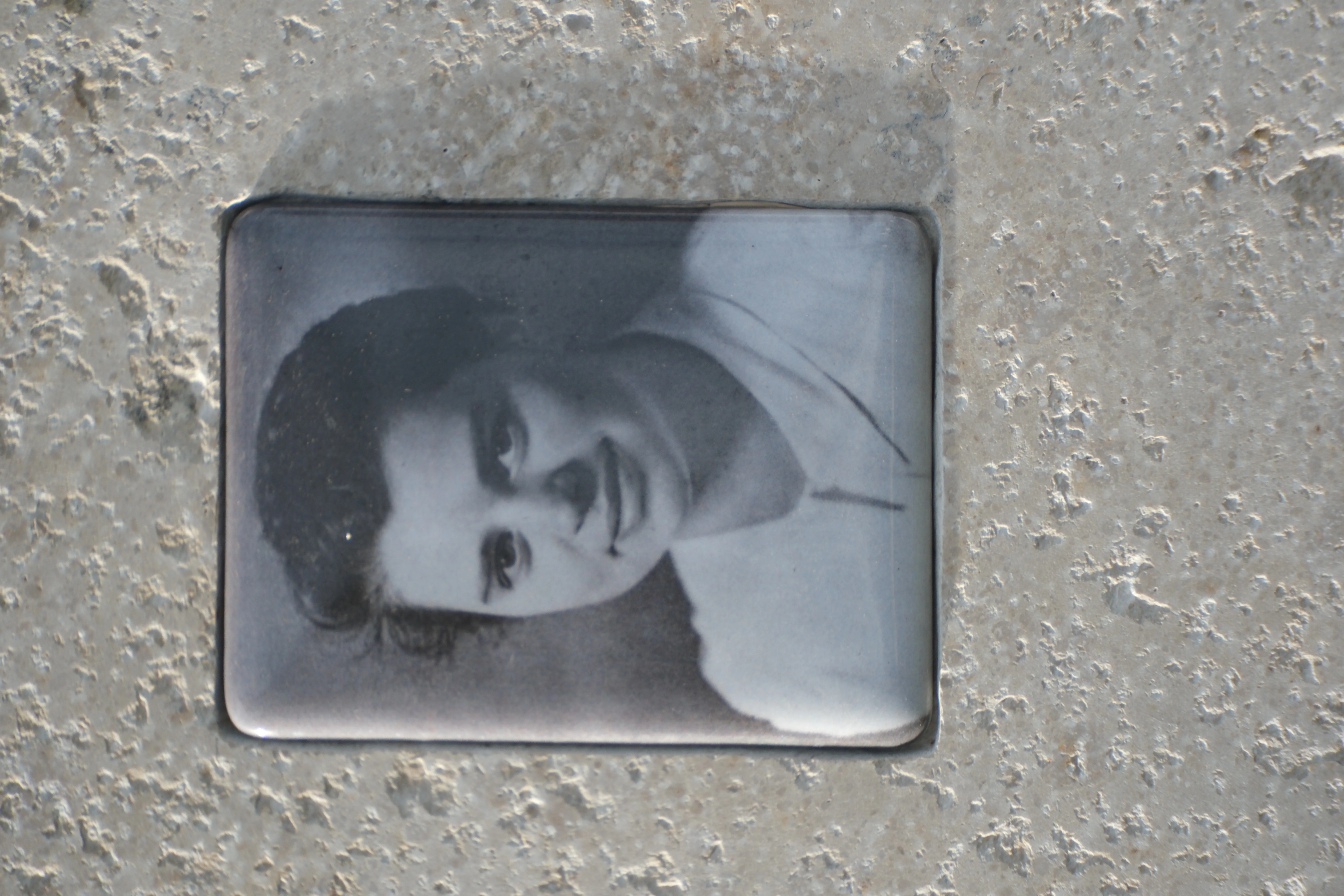
Image from Wikipedia
Image from Wikipedia
Maria Imma Mack – Courage, Humanity, and Living Resistance in Dark Times
A nun who made history: Maria Imma Mack in portrait
Maria Imma Mack, born as Josefa Mack on February 10, 1924, in Möckenlohe near Eichstätt, and died on June 21, 2006, in Munich, is among those quiet personalities of German contemporary history whose impact extends far beyond their own lifetime. As a sister of the Poor School Sisters of Our Lady in Munich, she combined religious calling with concrete assistance for people in dire need. She became well-known primarily for her secret provision of food, letters, and liturgical items to prisoners in the Dachau concentration camp. (stadtgeschichte-muenchen.de)
To understand Maria Imma Mack, one must read her life as a story of civil courage, inner determination, and practical charity. She acted not loudly or demonstratively, but consistently, riskily, and with remarkable discipline. In the cultural memory surrounding Dachau, she represents a form of resistance that speaks not through slogans but through actions. (english.katholisch.de)
Early Years: Calling, Education, and the Path to the Convent
Josefa Mack was born in 1924 into an agrarian environment and entered the community of the Poor School Sisters as a postulant in 1940. From 1942, she worked as an assistant in the order's children's home in Freising, thus in an environment that combined social care and education. This early influence is crucial, as it already showcases a clear leaning towards service, responsibility, and lived solidarity, even before the events in Dachau. (stadtgeschichte-muenchen.de)
When she first entered the Dachau concentration camp in 1944, she stood at the beginning of a path that would later make her a symbolic figure of Catholic resistance. The initial reason was inconspicuous: purchases of flowers and plants for the convent through the sales outlet of the camp’s garden. However, her encounter with the prisoners and their suffering radically changed her life path. From a young religious postulant, she became a helper who recognized injustice and acted upon it. (gerhardinger.org)
Dachau as a Test: Aid at the Risk of One's Life
What is particularly striking is that Maria Imma Mack organized her help over months, not as a one-time gesture, but as repeated, planned action. Sources speak of around 60 trips to Dachau until the end of the war, during which she traveled on foot, by bicycle, or in winter with a sled. She brought gifts, mass wine, hosts, letters, and later also holy oil and liturgical texts—all under the risk of being discovered and severely punished. (gerhardinger.org)
Her aid had a dual dimension: it was material, as she brought food, items, and practical support, and it was spiritual, as she enabled dignity, comfort, and a moment of inner freedom for the prisoners. Particularly in her interactions with the priest prisoner Karl Leisner, this support held historical significance as she helped prepare for the execution of his ordination under the conditions of the camp. Maria Imma Mack thus acted not in the light of public acclaim, but in the shadow of a system that sought to punish humanity. (gerhardinger.org)
After the War: Religious Life and Late Recognition
After 1945, Josefa Mack entered the novitiate of the Poor School Sisters and received the religious name Maria Imma. With this, she continued her life in the spirit of the same values that had guided her in Dachau: responsibility, humility, and service to humanity. For a long time, her story was not in the public spotlight, but it gained increasing significance in ecclesiastical and memory-related contexts. (orden-online.de)
The late recognition illustrates how sustainably her actions were evaluated. In 1986, she received the Bavarian Order of Merit, and in 2004, she was inducted into the French Legion of Honor for her courage and commitment to peace and reconciliation between Germany and France. The city of Munich also honors her with the Imma-Mack-Weg, while a memorial plaque in her birthplace of Möckenlohe commemorates her life. (english.katholisch.de)
Written Legacy and Historical Significance
Maria Imma Mack left her own memories, including in the book “Warum ich Azaleen liebe,” in which she reflected on her trips to the Dachau camp’s plantation. Such personal testimonies are particularly valuable for historical contextualization as they document the perspective of a participant rather than later interpretations. Her language of memory combines personal experience with a sober description of danger, conscience, and duty. (domradio.de)
Historically, her name today stands for a form of resistance that began in everyday life and is precisely why it is so impressive. She was not a speaker, not a functionary, and not a political symbol in the classical sense. Her authority arose from the consistency of her decisions, her closeness to the oppressed, and her willingness to risk her own life for others. (gerhardinger.org)
Cultural Influence: Memory Culture, Commemoration, and Role Model
Today, Maria Imma Mack is part of a broader memory culture surrounding Dachau, which not only makes visible the crime but also showcases forms of human assistance. Her role as a helper, nun, and quiet resistor is highlighted in church publications, local memorial initiatives, and historical directories. This complexity makes her biography particularly significant for those interested in history. (stadtgeschichte-muenchen.de)
Her life resonates with people because it embodies a rare combination of courage, humility, and moral clarity. In a time of dehumanization, she acted humanely, and in a time of fear, she remained steadfast. Therefore, her story continues to serve as both a warning and an encouragement to this day. (english.katholisch.de)
Conclusion: Why Maria Imma Mack Continues to Fascinate Today
Maria Imma Mack fascinates because her life demonstrates how significant a single decision can be. From a young nun, she became a helper of extraordinary courage, whose efforts in the Dachau concentration camp touched lives, dignity, and hope. Anyone who engages with her encounters not just a historical personality but also a benchmark for conscience and humanity. A visit to her memorial sites, a look into the sources, and an examination of her actions make clear why her name continues to resonate today. (gerhardinger.org)
Official Channels of Maria Imma Mack:
- Instagram: No official profile found
- Facebook: No official profile found
- YouTube: No official profile found
- Spotify: No official profile found
- TikTok: No official profile found
Sources:
- Wikipedia – Maria Imma Mack
- katholisch.de (English) – With bike and sledge: how a nun helped concentration camp prisoners
- Gerhardinger.org – Sister M. Imma Mack
- DOMRADIO.DE – A hundred years ago, Sister Imma Mack was born
- Münchner Personenverzeichnis – Maria Imma Mack
- Poor School Sisters – Sr. Imma Mack (Mädi)
- City of Munich – Imma-Mack-Weg
- Donaukurier – Adelschlag commemorates its great daughter Sister Imma Mack