
Ulrich Schneider (Verbandsfunktionär)
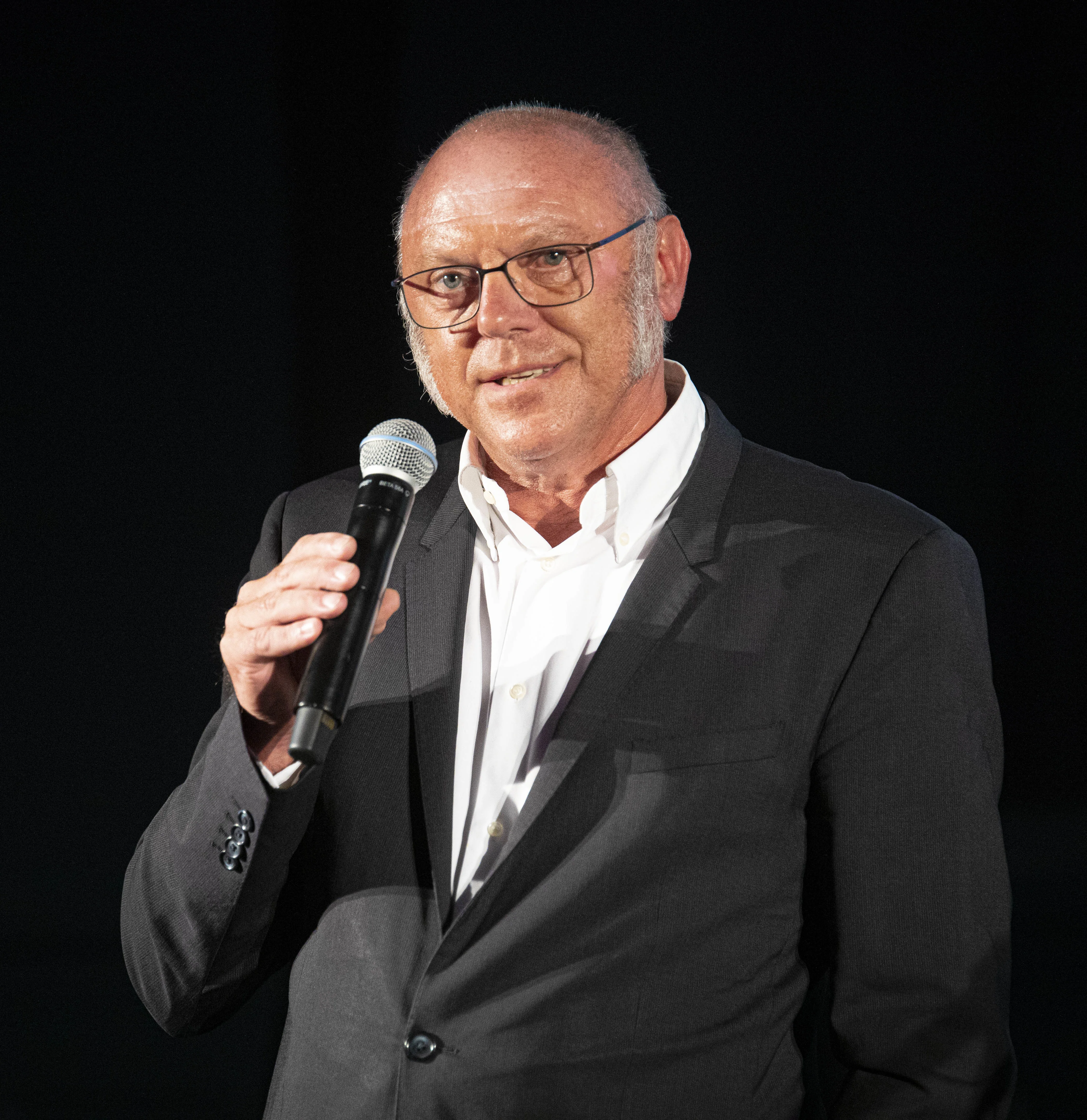
Image from Wikipedia
Image from Wikipedia
Ulrich Schneider: Social Policy, Public Debates, and the Rare Clarity of an Entire Professional Biography
A Portrait of a Formative German Association Official
Ulrich Schneider, born on August 14, 1958, in Oberhausen, is one of the most recognized voices in German social policy. From 1999 to 2024, he served as the Managing Director of the German Paritätischer Welfare Association and shaped public perception of the association for over a quarter-century with a clear, combative, and media-savvy stance. His name is synonymous with a consistent social advocacy perspective that has significantly influenced political debates about poverty, participation, and solidarity. ([de.wikipedia.org](https://de.wikipedia.org/wiki/Ulrich_Schneider_%28Verbandsfunktion%C3%A4r%29?utm_source=openai))
Biographical Roots and Academic Influence
Schneider studied economics and earned his doctorate in 1988 from the University of Münster with a dissertation on youth policy in the 1970s and 1980s. Even in this early phase, the trajectory of his later career emerged: an interest in social structures, political frameworks, and the real consequences of social inequality. Between April 1984 and December 1987, he worked as a research assistant at the Institute for Social Education, Adult Education, and Empirical Pedagogy in Münster. ([de.wikipedia.org](https://de.wikipedia.org/wiki/Ulrich_Schneider_%28Verbandsfunktion%C3%A4r%29?utm_source=openai))
The academic training provides the analytical foundation for a career that has not been limited to administrative routine. Rather, Schneider early on developed a profile as someone who not only manages social issues but also brings them into the public sphere. This is precisely where the special impact of his professional biography lies: expertise, political language, and media presence are tightly interwoven in his work. ([de.wikipedia.org](https://de.wikipedia.org/wiki/Ulrich_Schneider_%28Verbandsfunktion%C3%A4r%29?utm_source=openai))
The Rise at the Paritätischer
With his transition to the leadership of the German Paritätischer Welfare Association, a phase began in which Schneider became nationally visible. The association describes him as a fighter for social justice who has consistently expanded the social advocacy function of the overall association and made the Paritätischer a central point of contact in politics and the media. This role has made him one of the most prominent representatives of associations in Germany. ([der-paritaetische.de](https://www.der-paritaetische.de/magazin/ausgabe-01-2024-100-jahre-der-paritaetische/ulrich-schneider/?utm_source=openai))
His appearances on talk shows and interviews were particularly influential, where he pointedly addressed poverty, social division, and the consequences of neoliberal policy. Even critical media acknowledged him as someone who represented a consistent position in societal discourse over the years. The fact that he pursued these issues not merely as a "job," but out of conviction, weaves a red thread through the reporting on his tenure. ([der-paritaetische.de](https://www.der-paritaetische.de/magazin/ausgabe-01-2024-100-jahre-der-paritaetische/ulrich-schneider/?utm_source=openai))
Political Stance and Public Contours
Schneider was often described as a combative social lobbyist, a term he did not shy away from. In interviews, he emphasized that his association represented the interests of the socially disadvantaged and that it was his task to make societal grievances visible. His public impact stemmed precisely from this combination of analytical sharpness and clear stance. ([zeit.de](https://www.zeit.de/2022/43/ulrich-schneider-paritaetischer-wohlfahrtsverband-linkspartei-religion-soziale-gerechtigkeit?utm_source=openai))
The media response to his positions illustrates how strongly his influence extended beyond the association. He was perceived over the years as one of the most important voices in debates about poverty, redistribution, and social justice. His authority lies particularly in this: not in a neutral administrative style, but in a clear commitment to those socially disadvantaged. ([der-paritaetische.de](https://www.der-paritaetische.de/magazin/ausgabe-01-2024-100-jahre-der-paritaetische/ulrich-schneider/?utm_source=openai))
Music, Band Practice, and a Private Note
Although Ulrich Schneider is not a musician in the traditional sense, there is a notable musical side aspect in his biography: he plays in a rock band privately. This information acts as a small counterpoint to his otherwise politically shaped public image and reveals a personal, lesser-known side. It indicates a life where musical practice evidently serves as a balance and form of expression alongside social policy. ([de.wikipedia.org](https://de.wikipedia.org/wiki/Ulrich_Schneider_%28Verbandsfunktion%C3%A4r%29?utm_source=openai))
For a classical discography, charts, or hit singles, there are understandably no reliable points of reference with Schneider. His cultural presence arises not from recordings or tours but from speeches, interviews, and contributions to debates. To understand his profile, one must read him as a political-cultural figure, not as an artist in the narrower music industry. ([de.wikipedia.org](https://de.wikipedia.org/wiki/Ulrich_Schneider_%28Verbandsfunktion%C3%A4r%29?utm_source=openai))
Public Perception and Cultural Influence
The Paritätischer explicitly highlighted in 2024 that Schneider enhanced the association's visibility through his presence in talk shows and media formats. He thus became a kind of trademark for the institution: factual, opinionated, direct, and recognizable. This form of public engagement is a power factor, especially in the field of social policy, because it translates abstract issues into concrete societal images. ([der-paritaetische.de](https://www.der-paritaetische.de/magazin/ausgabe-01-2024-100-jahre-der-paritaetische/ulrich-schneider/?utm_source=openai))
Even critics and interviewers depicted him as a man who does not settle for diluted formulas. His statements on social division, political compromise, and the limits of lobbying made him a fixture in the German debate landscape. The cultural influence lies less in artistic innovation than in linguistic sharpness and public persistence. ([nd-aktuell.de](https://www.nd-aktuell.de/artikel/1184034.paritaetischer-wohlfahrtsverband-ulrich-schneider-kompromisse-sind-sache-des-parlaments.html?utm_source=openai))
Contextualizing His Work
Schneider's career is an example of engaged association work at the highest public level. He combined expertise, institutional authority, and the ability to communicate social conflict lines understandably. As a result, he became a distinctive face of German welfare services and a voice that resonated beyond the narrower circle of professional public discourse. ([der-paritaetische.de](https://www.der-paritaetische.de/magazin/ausgabe-01-2024-100-jahre-der-paritaetische/ulrich-schneider/?utm_source=openai))
His work also demonstrates how strongly social issues depend on personal credibility. Schneider did not present himself as a distant technocrat but as a clearly positioned actor unafraid of conflict. This blend of expertise and conviction imbues his biography with excitement and historical relevance. ([der-paritaetische.de](https://www.der-paritaetische.de/magazin/ausgabe-01-2024-100-jahre-der-paritaetische/ulrich-schneider/?utm_source=openai))
Conclusion: Why Ulrich Schneider Remains Interesting
Ulrich Schneider is not a classic artist figure but a significant social-political actor with an unusually strong public voice. What makes him intriguing is the combination of academic foundation, long-standing association leadership, media presence, and a private affinity for music in a rock band. Anyone wishing to understand German social history over the past decades cannot overlook him. ([de.wikipedia.org](https://de.wikipedia.org/wiki/Ulrich_Schneider_%28Verbandsfunktion%C3%A4r%29?utm_source=openai))
His biography illustrates how powerfully stance, language, and institutional experience can interact. For an audience that takes social debates seriously, Schneider remains a prominent and discussable personality. Those who experience him live in conversations, panels, or interviews encounter not a smooth functionary but a pointed advocate for social justice. ([nd-aktuell.de](https://www.nd-aktuell.de/artikel/1184034.paritaetischer-wohlfahrtsverband-ulrich-schneider-kompromisse-sind-sache-des-parlaments.html?utm_source=openai))
Official Channels of Ulrich Schneider (Association Official):
- Instagram: No official profile found
- Facebook: No official profile found
- YouTube: No official profile found
- Spotify: No official profile found
- TikTok: No official profile found
Sources:
- Wikipedia – Ulrich Schneider (Association Official)
- Der Paritätische – 25 Years Magazine, Ulrich Schneider
- nd-aktuell – Ulrich Schneider in Conversation
- DIE ZEIT – Ulrich Schneider and Social Justice
- WELT – Poverty Debate with Ulrich Schneider
- WELT – Interview with Ulrich Schneider
- taz – Paritätischer Chief Ulrich Schneider
- German Bundestag – Biographical Entry Ulrich Schneider
Upcoming Events
Reading with Ulrich Schneider