
Darmstadt
Wilhelminenstraße, 64 Darmstadt, Germany
Wilhelminenstraße Darmstadt | Bicycle Street & Parking
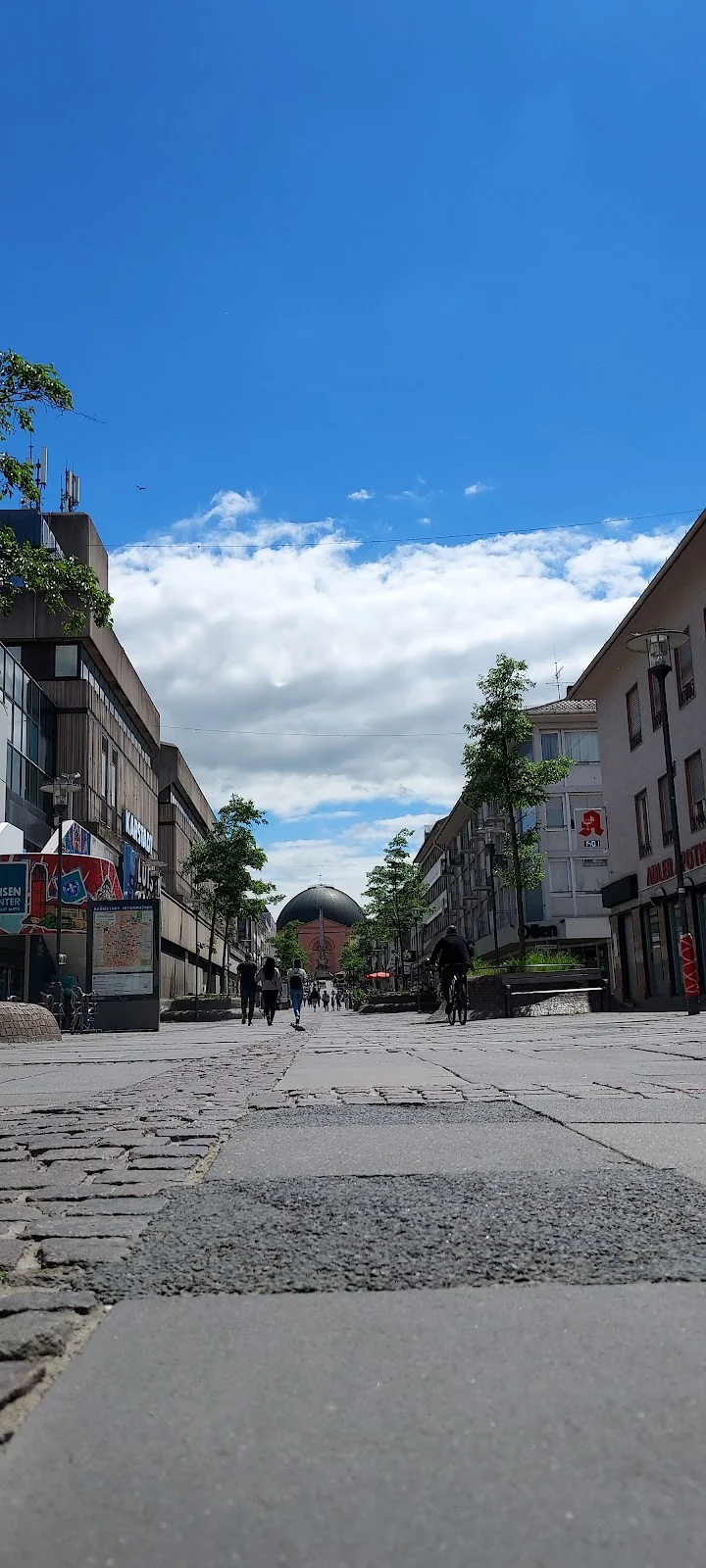
The Wilhelminenstraße is one of the defining urban spaces of Darmstadt, as history, mobility, and urban everyday life meet in close proximity here. Today, anyone looking at the street sees not just a traffic axis, but a developed city center location with clear bicycle traffic guidance, public facilities, historic buildings, and a vibrant mix of pedestrian zones, bicycle streets, and administrative sites. This is particularly evident on the upper Wilhelminenstraße between St. Ludwig and Goethestraße, which plays an important role in Darmstadt's urban history and still serves as a landmark for residents, visitors, and cyclists. In this context, typical inquiries about access, parking, CityLab, Wilhelminenhaus, and historic buildings become immediately tangible, as the street is much more than just a mere address. ([darmstadt.de](https://www.darmstadt.de/kultur/denkmalschutz/denkmalarchiv/biografien/georg-moller/obere-wilhelminenstrasse?utm_source=openai))
Bicycle Street and Pedestrian Zone on Wilhelminenstraße
Wilhelminenstraße is primarily known in Darmstadt as a bicycle street. According to the city, it was decided in 2013 and implemented in 2015 as Darmstadt's first bicycle street. Later, it was readjusted to current guidelines, as the previous roadway width no longer corresponded to the fundamental principle of a bicycle street. With the new marking, the traffic area was reorganized, and now only one-sided parking is allowed along its entire length. This is important for visitors, as the street is now clearly oriented towards bicycle traffic compared to many classic city center streets. For cyclists, this means they can generally expect better, clearer guidance, while drivers must carefully observe the new signage and markings. The city has also emphasized that Wilhelminenstraße, as a popular and important axis for connections in and through Bessungen, should be secured in the long term. ([darmstadt.de](https://www.darmstadt.de/presseportal/pressemitteilungen/einzelansicht/fahrradstrasse-obere-wilhelminenstrasse-wird-dem-aktuellen-standard-angepasst?utm_source=openai))
The pedestrian zone character is also central to the perception of Wilhelminenstraße. Between Luisenplatz and Adelungstraße lies a section designated as a pedestrian zone, which was equipped with a modernized bicycle parking facility in December 2024: 64 spaces with bike racks were created from 58 parking spaces. This shows how strongly the street is integrated into the daily life of the city center. At the same time, the city points out that cycling down into the pedestrian zone of Wilhelminenstraße is generally not allowed. Therefore, those coming from Luisenplatz experience an area with special consideration and clear rules. As a parallel relief, Zimmerstraße has been opened for cyclists in both directions to create a continuous connection towards the city and north while bypassing the pedestrian zone and Luisenplatz. Thus, Wilhelminenstraße is a good example of how Darmstadt connects bicycle traffic, pedestrian interests, and city center functions. ([darmstadt.de](https://www.darmstadt.de/leben/mobilitaet/fuss-und-rad/neuigkeiten-zur-nahmobilitaet?utm_source=openai))
Parking and Access on Wilhelminenstraße
Those looking for Wilhelminenstraße Darmstadt and parking need the current regulations. The city has significantly reorganized the parking regulations as part of the bicycle street adjustment. Today, only one-sided parking is allowed along the entire route; this solution already existed in the northern area between St. Ludwig and Heinrichstraße, while the markings in the southern section between Heinrichstraße and Goethestraße were adjusted accordingly. The city justifies the new regulation with safety requirements for the bicycle street, particularly with the necessary roadway width and the distance to parked vehicles. This is not just a technical footnote for visitors, but the most important practical information for access: Those arriving by car should pay close attention to the signage and not assume that parking is allowed on both sides everywhere. At the same time, the development shows that Wilhelminenstraße is increasingly understood as an urban mixed-use area, where safety and orderly use take precedence over maximum parking availability. ([darmstadt.de](https://www.darmstadt.de/presseportal/pressemitteilungen/einzelansicht/fahrradstrasse-obere-wilhelminenstrasse-wird-dem-aktuellen-standard-angepasst?utm_source=openai))
Access also involves the municipal infrastructure around the Wilhelminenstraße tunnel. The city manages maintenance and repair work there and determines the necessary restoration, maintenance, and repair tasks. This shows that Wilhelminenstraße functions not only as an above-ground city street but is also part of a deeper traffic and technical structure. For practical visits, this means: The street is firmly integrated into the city center structure, but it is not a classic thoroughfare where one should expect the same parking situation indefinitely. Especially since the city has repeatedly adjusted both the bicycle street and the adjacent areas of the city center in recent years, it is worthwhile to check the current situation on-site before visiting. Those arriving by bicycle benefit from clear bicycle traffic guidance; those walking find many points of connection near the pedestrian zone and municipal facilities; and those arriving by car should factor in the limited parking options and the urban logic of the route. ([digitales-rathaus.darmstadt.de](https://digitales-rathaus.darmstadt.de/lebensbereiche/umwelt-und-verkehr/dienstleistungen/tunnel-wilhelminenstrasse))
Wilhelminenhaus, CityLab, and Administrative Sites
Several addresses on Wilhelminenstraße are particularly relevant for visitors and seekers. The Wilhelminenhaus at Wilhelminenstraße 1 to 3 is an important administrative address. Among other things, the International Document Traffic of the Regierungspräsidium Darmstadt is located there; other official administrative information from the Regierungspräsidium and animal protection also refer to this address. Thus, Wilhelminenstraße stands not only for movement and cityscape but also for concrete services of public life. For citizens who need to handle documents, inquiries, or administrative matters, this address is therefore an important point of orientation. Its location in the city center makes the site easy to locate, and the name Wilhelminenhaus is a recurring search term for many inquiries around Darmstadt. ([digitales-rathaus.darmstadt.de](https://digitales-rathaus.darmstadt.de/kategorien/aemter-und-einrichtungen/beglaubigungen?utm_source=openai))
The city itself also visibly uses Wilhelminenstraße 25. There is the CityLab, which the science city of Darmstadt uses for participation, actions, and city center offerings. In current communications, the address has been mentioned for the Family Week and for the work of the retail space and district management. This makes Wilhelminenstraße 25 a modern, citizen-friendly location within the city center. Those asking about the role of the street in today's Darmstadt particularly recognize the transition from historical structure to current use here: administrative offices, urban development, participation formats, and city center actions meet the everyday frequency of a central street. This image is complemented by the city watch at Wilhelminenstraße 5a, which is listed in the official directories of the city. Thus, the street becomes a section where public order, administration, and urban life come together in close proximity. For SEO search queries like Wilhelminenstraße 25 Darmstadt, Wilhelminenstraße 1-3 Darmstadt, or Wilhelminenstraße 9 Darmstadt, the central location with its different functions is therefore particularly relevant. ([darmstadt.de](https://www.darmstadt.de/presseportal/pressemitteilungen/einzelansicht/vom-12-bis-16-mai-jugendamt-der-wissenschaftsstadt-darmstadt-laedt-zur-aktionswoche?utm_source=openai))
Historic Buildings and Georg Moller on Wilhelminenstraße
Wilhelminenstraße is also an important place in Darmstadt's architectural and urban history. On the city map of 1866, the upper Wilhelminenstraße appears as a special urban development project. According to the representation of the monument archive, the section from St. Ludwig to Goethestraße is only built on the east side; the west side remained free in Moller's planning to allow for a view into the landscape. Moller also specified that the bedrooms should face east, while the living rooms received more light facing west. Originally, no wide avenues were planned there, but only a row of trees on the west side. After World War II, the fronts were partially set back to create small front gardens. These indications make it understandable why Wilhelminenstraße still has an open, historically shaped character today: it is not just any street canyon, but part of a consciously composed urban landscape. ([darmstadt.de](https://www.darmstadt.de/kultur/denkmalschutz/denkmalarchiv/biografien/georg-moller/obere-wilhelminenstrasse?utm_source=openai))
An outstanding building on the street is the former Palais Prinz Karl at Wilhelminenstraße 34. It was designed by Georg Moller for Prince Karl between 1834 and 1836 and was originally laid out as three stories with nine axes. The entrance was initially facing Wilhelminenstraße but was later moved to the courtyard side. Around 1927, the palace was raised by one floor and expanded towards Annastraße. The city's monument texts also emphasize that the building was located outside the city at the time of its construction and only became part of the urban context with the incorporation of Bessungen in 1888. This is important for visitors because Wilhelminenstraße thus depicts not only traffic history but also the history of power, construction, and urban development. Therefore, walking along the street means being in a place where the planning of the 19th century, the reconstruction after the war, and today's city center mobility visibly converge. It is precisely this connection of historical ambition and modern use that makes Wilhelminenstraße so distinctive in Darmstadt. ([darmstadt.de](https://www.darmstadt.de/kultur/denkmalschutz/denkmalarchiv/biografien/georg-moller/palais-prinz-karl?utm_source=openai))
Tunnel Wilhelminenstraße and Modern Mobility
Wilhelminenstraße is still part of an active urban mobility strategy. The city designates it as Darmstadt's oldest bicycle street and reports that it has been adjusted to current regulations in the reorganization of bicycle traffic guidance. This is crucial for the perception of the street because the historical structure does not isolate itself from the present but continues to develop with it. The Wilhelminenstraße also plays a role in the neighborhood context: the city describes it as a popular and important axis for connections in and through Bessungen. Practical measures such as the modernization of bicycle parking facilities in the pedestrian zone and new bike racks increase the usability of public space. Therefore, those asking about the current significance of Wilhelminenstraße find not only beautiful facades or a well-known address but a place where mobility planning is made visible. ([darmstadt.de](https://www.darmstadt.de/presseportal/pressemitteilungen/einzelansicht/fahrradstrasse-obere-wilhelminenstrasse-wird-dem-aktuellen-standard-angepasst?utm_source=openai))
The Wilhelminenstraße tunnel further emphasizes this modern infrastructure on a technical level. The digital town hall describes it as an independent area of responsibility for the city administration, where restoration, maintenance, and repair work are determined and managed. While this may seem rather unspectacular for public perception, such details make Wilhelminenstraße a serious city address rather than just a mere search term. The tunnel, the bicycle street, the pedestrian zone, the administrative sites, and the historic buildings interconnect here. Additionally, the street is accompanied by municipal measures at several points, such as at intersections, in the area of traffic lights, or in connection with the urban parking and traffic network. Therefore, those visiting Wilhelminenstraße experience a street that consists not only of stone and asphalt but of coordinated use: administration, mobility, monument protection, and everyday traffic. This is exactly what makes it so interesting for search queries related to Wilhelminenstraße Darmstadt, Wilhelminenstraße parking, or Wilhelminenstraße access. ([digitales-rathaus.darmstadt.de](https://digitales-rathaus.darmstadt.de/lebensbereiche/umwelt-und-verkehr/dienstleistungen/tunnel-wilhelminenstrasse))
Frequently Asked Questions about Wilhelminenstraße in Darmstadt
The most important questions about the street usually revolve around orientation, parking, bicycle traffic, and attractions. The answer to the location question is clear: the upper Wilhelminenstraße is historically closely connected to Bessungen and extends from St. Ludwig to Goethestraße. The question about parking can also be answered definitively: in today's bicycle street, only one-sided parking is allowed. Anyone with an appointment at Wilhelminenhaus, CityLab, or another address should therefore not assume any arbitrary parking situation but respect the markings on-site. For cyclists, the street is very clearly readable, as it is explicitly designated as a bicycle street and was adjusted to current standards in 2023. This is a significant difference from many other city center streets and explains why Wilhelminenstraße is often mentioned in the city's mobility discourse. ([darmstadt.de](https://www.darmstadt.de/presseportal/pressemitteilungen/einzelansicht/fahrradstrasse-obere-wilhelminenstrasse-wird-dem-aktuellen-standard-angepasst?utm_source=openai))
Those asking about special features quickly land on history. The former Palais Prinz Karl at Wilhelminenstraße 34 is one of the significant buildings on the street, and Georg Moller's urban planning idea is still palpable in the layout. The western side remained free for a long time, the gardens and rows of trees shape the image, and the street thus appears more open than many other inner-city axes. At the same time, the present shows that Wilhelminenstraße is not museum-like and frozen: the CityLab, Wilhelminenhaus, the city watch, and the modernized bicycle parking facility in the pedestrian zone clearly demonstrate how strongly the street remains integrated into everyday life. It is precisely this mix of history, administration, and mobility that is the reason why Wilhelminenstraße is equally relevant for visitors, residents, and search engines. It is not a side address but a piece of urban profile of Darmstadt. ([darmstadt.de](https://www.darmstadt.de/kultur/denkmalschutz/denkmalarchiv/biografien/georg-moller/palais-prinz-karl?utm_source=openai))
Sources:
- Science City Darmstadt – Upper Wilhelminenstraße
- Science City Darmstadt – Magistrate decides to upgrade the bicycle street Wilhelminenstraße according to current standards
- Science City Darmstadt – Bicycle Street: Upper Wilhelminenstraße is being adjusted to current standards
- Science City Darmstadt – News on Local Mobility
- Digital Town Hall Darmstadt – Tunnel Wilhelminenstraße
- Digital Town Hall Darmstadt – Certification of documents or signatures
- Digital Town Hall Darmstadt – Wilhelminenhaus, Wilhelminenstraße 1-3
- Science City Darmstadt – CityLab opens at Wilhelminenstraße 25
Show moreShow less
Wilhelminenstraße Darmstadt | Bicycle Street & Parking
The Wilhelminenstraße is one of the defining urban spaces of Darmstadt, as history, mobility, and urban everyday life meet in close proximity here. Today, anyone looking at the street sees not just a traffic axis, but a developed city center location with clear bicycle traffic guidance, public facilities, historic buildings, and a vibrant mix of pedestrian zones, bicycle streets, and administrative sites. This is particularly evident on the upper Wilhelminenstraße between St. Ludwig and Goethestraße, which plays an important role in Darmstadt's urban history and still serves as a landmark for residents, visitors, and cyclists. In this context, typical inquiries about access, parking, CityLab, Wilhelminenhaus, and historic buildings become immediately tangible, as the street is much more than just a mere address. ([darmstadt.de](https://www.darmstadt.de/kultur/denkmalschutz/denkmalarchiv/biografien/georg-moller/obere-wilhelminenstrasse?utm_source=openai))
Bicycle Street and Pedestrian Zone on Wilhelminenstraße
Wilhelminenstraße is primarily known in Darmstadt as a bicycle street. According to the city, it was decided in 2013 and implemented in 2015 as Darmstadt's first bicycle street. Later, it was readjusted to current guidelines, as the previous roadway width no longer corresponded to the fundamental principle of a bicycle street. With the new marking, the traffic area was reorganized, and now only one-sided parking is allowed along its entire length. This is important for visitors, as the street is now clearly oriented towards bicycle traffic compared to many classic city center streets. For cyclists, this means they can generally expect better, clearer guidance, while drivers must carefully observe the new signage and markings. The city has also emphasized that Wilhelminenstraße, as a popular and important axis for connections in and through Bessungen, should be secured in the long term. ([darmstadt.de](https://www.darmstadt.de/presseportal/pressemitteilungen/einzelansicht/fahrradstrasse-obere-wilhelminenstrasse-wird-dem-aktuellen-standard-angepasst?utm_source=openai))
The pedestrian zone character is also central to the perception of Wilhelminenstraße. Between Luisenplatz and Adelungstraße lies a section designated as a pedestrian zone, which was equipped with a modernized bicycle parking facility in December 2024: 64 spaces with bike racks were created from 58 parking spaces. This shows how strongly the street is integrated into the daily life of the city center. At the same time, the city points out that cycling down into the pedestrian zone of Wilhelminenstraße is generally not allowed. Therefore, those coming from Luisenplatz experience an area with special consideration and clear rules. As a parallel relief, Zimmerstraße has been opened for cyclists in both directions to create a continuous connection towards the city and north while bypassing the pedestrian zone and Luisenplatz. Thus, Wilhelminenstraße is a good example of how Darmstadt connects bicycle traffic, pedestrian interests, and city center functions. ([darmstadt.de](https://www.darmstadt.de/leben/mobilitaet/fuss-und-rad/neuigkeiten-zur-nahmobilitaet?utm_source=openai))
Parking and Access on Wilhelminenstraße
Those looking for Wilhelminenstraße Darmstadt and parking need the current regulations. The city has significantly reorganized the parking regulations as part of the bicycle street adjustment. Today, only one-sided parking is allowed along the entire route; this solution already existed in the northern area between St. Ludwig and Heinrichstraße, while the markings in the southern section between Heinrichstraße and Goethestraße were adjusted accordingly. The city justifies the new regulation with safety requirements for the bicycle street, particularly with the necessary roadway width and the distance to parked vehicles. This is not just a technical footnote for visitors, but the most important practical information for access: Those arriving by car should pay close attention to the signage and not assume that parking is allowed on both sides everywhere. At the same time, the development shows that Wilhelminenstraße is increasingly understood as an urban mixed-use area, where safety and orderly use take precedence over maximum parking availability. ([darmstadt.de](https://www.darmstadt.de/presseportal/pressemitteilungen/einzelansicht/fahrradstrasse-obere-wilhelminenstrasse-wird-dem-aktuellen-standard-angepasst?utm_source=openai))
Access also involves the municipal infrastructure around the Wilhelminenstraße tunnel. The city manages maintenance and repair work there and determines the necessary restoration, maintenance, and repair tasks. This shows that Wilhelminenstraße functions not only as an above-ground city street but is also part of a deeper traffic and technical structure. For practical visits, this means: The street is firmly integrated into the city center structure, but it is not a classic thoroughfare where one should expect the same parking situation indefinitely. Especially since the city has repeatedly adjusted both the bicycle street and the adjacent areas of the city center in recent years, it is worthwhile to check the current situation on-site before visiting. Those arriving by bicycle benefit from clear bicycle traffic guidance; those walking find many points of connection near the pedestrian zone and municipal facilities; and those arriving by car should factor in the limited parking options and the urban logic of the route. ([digitales-rathaus.darmstadt.de](https://digitales-rathaus.darmstadt.de/lebensbereiche/umwelt-und-verkehr/dienstleistungen/tunnel-wilhelminenstrasse))
Wilhelminenhaus, CityLab, and Administrative Sites
Several addresses on Wilhelminenstraße are particularly relevant for visitors and seekers. The Wilhelminenhaus at Wilhelminenstraße 1 to 3 is an important administrative address. Among other things, the International Document Traffic of the Regierungspräsidium Darmstadt is located there; other official administrative information from the Regierungspräsidium and animal protection also refer to this address. Thus, Wilhelminenstraße stands not only for movement and cityscape but also for concrete services of public life. For citizens who need to handle documents, inquiries, or administrative matters, this address is therefore an important point of orientation. Its location in the city center makes the site easy to locate, and the name Wilhelminenhaus is a recurring search term for many inquiries around Darmstadt. ([digitales-rathaus.darmstadt.de](https://digitales-rathaus.darmstadt.de/kategorien/aemter-und-einrichtungen/beglaubigungen?utm_source=openai))
The city itself also visibly uses Wilhelminenstraße 25. There is the CityLab, which the science city of Darmstadt uses for participation, actions, and city center offerings. In current communications, the address has been mentioned for the Family Week and for the work of the retail space and district management. This makes Wilhelminenstraße 25 a modern, citizen-friendly location within the city center. Those asking about the role of the street in today's Darmstadt particularly recognize the transition from historical structure to current use here: administrative offices, urban development, participation formats, and city center actions meet the everyday frequency of a central street. This image is complemented by the city watch at Wilhelminenstraße 5a, which is listed in the official directories of the city. Thus, the street becomes a section where public order, administration, and urban life come together in close proximity. For SEO search queries like Wilhelminenstraße 25 Darmstadt, Wilhelminenstraße 1-3 Darmstadt, or Wilhelminenstraße 9 Darmstadt, the central location with its different functions is therefore particularly relevant. ([darmstadt.de](https://www.darmstadt.de/presseportal/pressemitteilungen/einzelansicht/vom-12-bis-16-mai-jugendamt-der-wissenschaftsstadt-darmstadt-laedt-zur-aktionswoche?utm_source=openai))
Historic Buildings and Georg Moller on Wilhelminenstraße
Wilhelminenstraße is also an important place in Darmstadt's architectural and urban history. On the city map of 1866, the upper Wilhelminenstraße appears as a special urban development project. According to the representation of the monument archive, the section from St. Ludwig to Goethestraße is only built on the east side; the west side remained free in Moller's planning to allow for a view into the landscape. Moller also specified that the bedrooms should face east, while the living rooms received more light facing west. Originally, no wide avenues were planned there, but only a row of trees on the west side. After World War II, the fronts were partially set back to create small front gardens. These indications make it understandable why Wilhelminenstraße still has an open, historically shaped character today: it is not just any street canyon, but part of a consciously composed urban landscape. ([darmstadt.de](https://www.darmstadt.de/kultur/denkmalschutz/denkmalarchiv/biografien/georg-moller/obere-wilhelminenstrasse?utm_source=openai))
An outstanding building on the street is the former Palais Prinz Karl at Wilhelminenstraße 34. It was designed by Georg Moller for Prince Karl between 1834 and 1836 and was originally laid out as three stories with nine axes. The entrance was initially facing Wilhelminenstraße but was later moved to the courtyard side. Around 1927, the palace was raised by one floor and expanded towards Annastraße. The city's monument texts also emphasize that the building was located outside the city at the time of its construction and only became part of the urban context with the incorporation of Bessungen in 1888. This is important for visitors because Wilhelminenstraße thus depicts not only traffic history but also the history of power, construction, and urban development. Therefore, walking along the street means being in a place where the planning of the 19th century, the reconstruction after the war, and today's city center mobility visibly converge. It is precisely this connection of historical ambition and modern use that makes Wilhelminenstraße so distinctive in Darmstadt. ([darmstadt.de](https://www.darmstadt.de/kultur/denkmalschutz/denkmalarchiv/biografien/georg-moller/palais-prinz-karl?utm_source=openai))
Tunnel Wilhelminenstraße and Modern Mobility
Wilhelminenstraße is still part of an active urban mobility strategy. The city designates it as Darmstadt's oldest bicycle street and reports that it has been adjusted to current regulations in the reorganization of bicycle traffic guidance. This is crucial for the perception of the street because the historical structure does not isolate itself from the present but continues to develop with it. The Wilhelminenstraße also plays a role in the neighborhood context: the city describes it as a popular and important axis for connections in and through Bessungen. Practical measures such as the modernization of bicycle parking facilities in the pedestrian zone and new bike racks increase the usability of public space. Therefore, those asking about the current significance of Wilhelminenstraße find not only beautiful facades or a well-known address but a place where mobility planning is made visible. ([darmstadt.de](https://www.darmstadt.de/presseportal/pressemitteilungen/einzelansicht/fahrradstrasse-obere-wilhelminenstrasse-wird-dem-aktuellen-standard-angepasst?utm_source=openai))
The Wilhelminenstraße tunnel further emphasizes this modern infrastructure on a technical level. The digital town hall describes it as an independent area of responsibility for the city administration, where restoration, maintenance, and repair work are determined and managed. While this may seem rather unspectacular for public perception, such details make Wilhelminenstraße a serious city address rather than just a mere search term. The tunnel, the bicycle street, the pedestrian zone, the administrative sites, and the historic buildings interconnect here. Additionally, the street is accompanied by municipal measures at several points, such as at intersections, in the area of traffic lights, or in connection with the urban parking and traffic network. Therefore, those visiting Wilhelminenstraße experience a street that consists not only of stone and asphalt but of coordinated use: administration, mobility, monument protection, and everyday traffic. This is exactly what makes it so interesting for search queries related to Wilhelminenstraße Darmstadt, Wilhelminenstraße parking, or Wilhelminenstraße access. ([digitales-rathaus.darmstadt.de](https://digitales-rathaus.darmstadt.de/lebensbereiche/umwelt-und-verkehr/dienstleistungen/tunnel-wilhelminenstrasse))
Frequently Asked Questions about Wilhelminenstraße in Darmstadt
The most important questions about the street usually revolve around orientation, parking, bicycle traffic, and attractions. The answer to the location question is clear: the upper Wilhelminenstraße is historically closely connected to Bessungen and extends from St. Ludwig to Goethestraße. The question about parking can also be answered definitively: in today's bicycle street, only one-sided parking is allowed. Anyone with an appointment at Wilhelminenhaus, CityLab, or another address should therefore not assume any arbitrary parking situation but respect the markings on-site. For cyclists, the street is very clearly readable, as it is explicitly designated as a bicycle street and was adjusted to current standards in 2023. This is a significant difference from many other city center streets and explains why Wilhelminenstraße is often mentioned in the city's mobility discourse. ([darmstadt.de](https://www.darmstadt.de/presseportal/pressemitteilungen/einzelansicht/fahrradstrasse-obere-wilhelminenstrasse-wird-dem-aktuellen-standard-angepasst?utm_source=openai))
Those asking about special features quickly land on history. The former Palais Prinz Karl at Wilhelminenstraße 34 is one of the significant buildings on the street, and Georg Moller's urban planning idea is still palpable in the layout. The western side remained free for a long time, the gardens and rows of trees shape the image, and the street thus appears more open than many other inner-city axes. At the same time, the present shows that Wilhelminenstraße is not museum-like and frozen: the CityLab, Wilhelminenhaus, the city watch, and the modernized bicycle parking facility in the pedestrian zone clearly demonstrate how strongly the street remains integrated into everyday life. It is precisely this mix of history, administration, and mobility that is the reason why Wilhelminenstraße is equally relevant for visitors, residents, and search engines. It is not a side address but a piece of urban profile of Darmstadt. ([darmstadt.de](https://www.darmstadt.de/kultur/denkmalschutz/denkmalarchiv/biografien/georg-moller/palais-prinz-karl?utm_source=openai))
Sources:
- Science City Darmstadt – Upper Wilhelminenstraße
- Science City Darmstadt – Magistrate decides to upgrade the bicycle street Wilhelminenstraße according to current standards
- Science City Darmstadt – Bicycle Street: Upper Wilhelminenstraße is being adjusted to current standards
- Science City Darmstadt – News on Local Mobility
- Digital Town Hall Darmstadt – Tunnel Wilhelminenstraße
- Digital Town Hall Darmstadt – Certification of documents or signatures
- Digital Town Hall Darmstadt – Wilhelminenhaus, Wilhelminenstraße 1-3
- Science City Darmstadt – CityLab opens at Wilhelminenstraße 25
Wilhelminenstraße Darmstadt | Bicycle Street & Parking
The Wilhelminenstraße is one of the defining urban spaces of Darmstadt, as history, mobility, and urban everyday life meet in close proximity here. Today, anyone looking at the street sees not just a traffic axis, but a developed city center location with clear bicycle traffic guidance, public facilities, historic buildings, and a vibrant mix of pedestrian zones, bicycle streets, and administrative sites. This is particularly evident on the upper Wilhelminenstraße between St. Ludwig and Goethestraße, which plays an important role in Darmstadt's urban history and still serves as a landmark for residents, visitors, and cyclists. In this context, typical inquiries about access, parking, CityLab, Wilhelminenhaus, and historic buildings become immediately tangible, as the street is much more than just a mere address. ([darmstadt.de](https://www.darmstadt.de/kultur/denkmalschutz/denkmalarchiv/biografien/georg-moller/obere-wilhelminenstrasse?utm_source=openai))
Bicycle Street and Pedestrian Zone on Wilhelminenstraße
Wilhelminenstraße is primarily known in Darmstadt as a bicycle street. According to the city, it was decided in 2013 and implemented in 2015 as Darmstadt's first bicycle street. Later, it was readjusted to current guidelines, as the previous roadway width no longer corresponded to the fundamental principle of a bicycle street. With the new marking, the traffic area was reorganized, and now only one-sided parking is allowed along its entire length. This is important for visitors, as the street is now clearly oriented towards bicycle traffic compared to many classic city center streets. For cyclists, this means they can generally expect better, clearer guidance, while drivers must carefully observe the new signage and markings. The city has also emphasized that Wilhelminenstraße, as a popular and important axis for connections in and through Bessungen, should be secured in the long term. ([darmstadt.de](https://www.darmstadt.de/presseportal/pressemitteilungen/einzelansicht/fahrradstrasse-obere-wilhelminenstrasse-wird-dem-aktuellen-standard-angepasst?utm_source=openai))
The pedestrian zone character is also central to the perception of Wilhelminenstraße. Between Luisenplatz and Adelungstraße lies a section designated as a pedestrian zone, which was equipped with a modernized bicycle parking facility in December 2024: 64 spaces with bike racks were created from 58 parking spaces. This shows how strongly the street is integrated into the daily life of the city center. At the same time, the city points out that cycling down into the pedestrian zone of Wilhelminenstraße is generally not allowed. Therefore, those coming from Luisenplatz experience an area with special consideration and clear rules. As a parallel relief, Zimmerstraße has been opened for cyclists in both directions to create a continuous connection towards the city and north while bypassing the pedestrian zone and Luisenplatz. Thus, Wilhelminenstraße is a good example of how Darmstadt connects bicycle traffic, pedestrian interests, and city center functions. ([darmstadt.de](https://www.darmstadt.de/leben/mobilitaet/fuss-und-rad/neuigkeiten-zur-nahmobilitaet?utm_source=openai))
Parking and Access on Wilhelminenstraße
Those looking for Wilhelminenstraße Darmstadt and parking need the current regulations. The city has significantly reorganized the parking regulations as part of the bicycle street adjustment. Today, only one-sided parking is allowed along the entire route; this solution already existed in the northern area between St. Ludwig and Heinrichstraße, while the markings in the southern section between Heinrichstraße and Goethestraße were adjusted accordingly. The city justifies the new regulation with safety requirements for the bicycle street, particularly with the necessary roadway width and the distance to parked vehicles. This is not just a technical footnote for visitors, but the most important practical information for access: Those arriving by car should pay close attention to the signage and not assume that parking is allowed on both sides everywhere. At the same time, the development shows that Wilhelminenstraße is increasingly understood as an urban mixed-use area, where safety and orderly use take precedence over maximum parking availability. ([darmstadt.de](https://www.darmstadt.de/presseportal/pressemitteilungen/einzelansicht/fahrradstrasse-obere-wilhelminenstrasse-wird-dem-aktuellen-standard-angepasst?utm_source=openai))
Access also involves the municipal infrastructure around the Wilhelminenstraße tunnel. The city manages maintenance and repair work there and determines the necessary restoration, maintenance, and repair tasks. This shows that Wilhelminenstraße functions not only as an above-ground city street but is also part of a deeper traffic and technical structure. For practical visits, this means: The street is firmly integrated into the city center structure, but it is not a classic thoroughfare where one should expect the same parking situation indefinitely. Especially since the city has repeatedly adjusted both the bicycle street and the adjacent areas of the city center in recent years, it is worthwhile to check the current situation on-site before visiting. Those arriving by bicycle benefit from clear bicycle traffic guidance; those walking find many points of connection near the pedestrian zone and municipal facilities; and those arriving by car should factor in the limited parking options and the urban logic of the route. ([digitales-rathaus.darmstadt.de](https://digitales-rathaus.darmstadt.de/lebensbereiche/umwelt-und-verkehr/dienstleistungen/tunnel-wilhelminenstrasse))
Wilhelminenhaus, CityLab, and Administrative Sites
Several addresses on Wilhelminenstraße are particularly relevant for visitors and seekers. The Wilhelminenhaus at Wilhelminenstraße 1 to 3 is an important administrative address. Among other things, the International Document Traffic of the Regierungspräsidium Darmstadt is located there; other official administrative information from the Regierungspräsidium and animal protection also refer to this address. Thus, Wilhelminenstraße stands not only for movement and cityscape but also for concrete services of public life. For citizens who need to handle documents, inquiries, or administrative matters, this address is therefore an important point of orientation. Its location in the city center makes the site easy to locate, and the name Wilhelminenhaus is a recurring search term for many inquiries around Darmstadt. ([digitales-rathaus.darmstadt.de](https://digitales-rathaus.darmstadt.de/kategorien/aemter-und-einrichtungen/beglaubigungen?utm_source=openai))
The city itself also visibly uses Wilhelminenstraße 25. There is the CityLab, which the science city of Darmstadt uses for participation, actions, and city center offerings. In current communications, the address has been mentioned for the Family Week and for the work of the retail space and district management. This makes Wilhelminenstraße 25 a modern, citizen-friendly location within the city center. Those asking about the role of the street in today's Darmstadt particularly recognize the transition from historical structure to current use here: administrative offices, urban development, participation formats, and city center actions meet the everyday frequency of a central street. This image is complemented by the city watch at Wilhelminenstraße 5a, which is listed in the official directories of the city. Thus, the street becomes a section where public order, administration, and urban life come together in close proximity. For SEO search queries like Wilhelminenstraße 25 Darmstadt, Wilhelminenstraße 1-3 Darmstadt, or Wilhelminenstraße 9 Darmstadt, the central location with its different functions is therefore particularly relevant. ([darmstadt.de](https://www.darmstadt.de/presseportal/pressemitteilungen/einzelansicht/vom-12-bis-16-mai-jugendamt-der-wissenschaftsstadt-darmstadt-laedt-zur-aktionswoche?utm_source=openai))
Historic Buildings and Georg Moller on Wilhelminenstraße
Wilhelminenstraße is also an important place in Darmstadt's architectural and urban history. On the city map of 1866, the upper Wilhelminenstraße appears as a special urban development project. According to the representation of the monument archive, the section from St. Ludwig to Goethestraße is only built on the east side; the west side remained free in Moller's planning to allow for a view into the landscape. Moller also specified that the bedrooms should face east, while the living rooms received more light facing west. Originally, no wide avenues were planned there, but only a row of trees on the west side. After World War II, the fronts were partially set back to create small front gardens. These indications make it understandable why Wilhelminenstraße still has an open, historically shaped character today: it is not just any street canyon, but part of a consciously composed urban landscape. ([darmstadt.de](https://www.darmstadt.de/kultur/denkmalschutz/denkmalarchiv/biografien/georg-moller/obere-wilhelminenstrasse?utm_source=openai))
An outstanding building on the street is the former Palais Prinz Karl at Wilhelminenstraße 34. It was designed by Georg Moller for Prince Karl between 1834 and 1836 and was originally laid out as three stories with nine axes. The entrance was initially facing Wilhelminenstraße but was later moved to the courtyard side. Around 1927, the palace was raised by one floor and expanded towards Annastraße. The city's monument texts also emphasize that the building was located outside the city at the time of its construction and only became part of the urban context with the incorporation of Bessungen in 1888. This is important for visitors because Wilhelminenstraße thus depicts not only traffic history but also the history of power, construction, and urban development. Therefore, walking along the street means being in a place where the planning of the 19th century, the reconstruction after the war, and today's city center mobility visibly converge. It is precisely this connection of historical ambition and modern use that makes Wilhelminenstraße so distinctive in Darmstadt. ([darmstadt.de](https://www.darmstadt.de/kultur/denkmalschutz/denkmalarchiv/biografien/georg-moller/palais-prinz-karl?utm_source=openai))
Tunnel Wilhelminenstraße and Modern Mobility
Wilhelminenstraße is still part of an active urban mobility strategy. The city designates it as Darmstadt's oldest bicycle street and reports that it has been adjusted to current regulations in the reorganization of bicycle traffic guidance. This is crucial for the perception of the street because the historical structure does not isolate itself from the present but continues to develop with it. The Wilhelminenstraße also plays a role in the neighborhood context: the city describes it as a popular and important axis for connections in and through Bessungen. Practical measures such as the modernization of bicycle parking facilities in the pedestrian zone and new bike racks increase the usability of public space. Therefore, those asking about the current significance of Wilhelminenstraße find not only beautiful facades or a well-known address but a place where mobility planning is made visible. ([darmstadt.de](https://www.darmstadt.de/presseportal/pressemitteilungen/einzelansicht/fahrradstrasse-obere-wilhelminenstrasse-wird-dem-aktuellen-standard-angepasst?utm_source=openai))
The Wilhelminenstraße tunnel further emphasizes this modern infrastructure on a technical level. The digital town hall describes it as an independent area of responsibility for the city administration, where restoration, maintenance, and repair work are determined and managed. While this may seem rather unspectacular for public perception, such details make Wilhelminenstraße a serious city address rather than just a mere search term. The tunnel, the bicycle street, the pedestrian zone, the administrative sites, and the historic buildings interconnect here. Additionally, the street is accompanied by municipal measures at several points, such as at intersections, in the area of traffic lights, or in connection with the urban parking and traffic network. Therefore, those visiting Wilhelminenstraße experience a street that consists not only of stone and asphalt but of coordinated use: administration, mobility, monument protection, and everyday traffic. This is exactly what makes it so interesting for search queries related to Wilhelminenstraße Darmstadt, Wilhelminenstraße parking, or Wilhelminenstraße access. ([digitales-rathaus.darmstadt.de](https://digitales-rathaus.darmstadt.de/lebensbereiche/umwelt-und-verkehr/dienstleistungen/tunnel-wilhelminenstrasse))
Frequently Asked Questions about Wilhelminenstraße in Darmstadt
The most important questions about the street usually revolve around orientation, parking, bicycle traffic, and attractions. The answer to the location question is clear: the upper Wilhelminenstraße is historically closely connected to Bessungen and extends from St. Ludwig to Goethestraße. The question about parking can also be answered definitively: in today's bicycle street, only one-sided parking is allowed. Anyone with an appointment at Wilhelminenhaus, CityLab, or another address should therefore not assume any arbitrary parking situation but respect the markings on-site. For cyclists, the street is very clearly readable, as it is explicitly designated as a bicycle street and was adjusted to current standards in 2023. This is a significant difference from many other city center streets and explains why Wilhelminenstraße is often mentioned in the city's mobility discourse. ([darmstadt.de](https://www.darmstadt.de/presseportal/pressemitteilungen/einzelansicht/fahrradstrasse-obere-wilhelminenstrasse-wird-dem-aktuellen-standard-angepasst?utm_source=openai))
Those asking about special features quickly land on history. The former Palais Prinz Karl at Wilhelminenstraße 34 is one of the significant buildings on the street, and Georg Moller's urban planning idea is still palpable in the layout. The western side remained free for a long time, the gardens and rows of trees shape the image, and the street thus appears more open than many other inner-city axes. At the same time, the present shows that Wilhelminenstraße is not museum-like and frozen: the CityLab, Wilhelminenhaus, the city watch, and the modernized bicycle parking facility in the pedestrian zone clearly demonstrate how strongly the street remains integrated into everyday life. It is precisely this mix of history, administration, and mobility that is the reason why Wilhelminenstraße is equally relevant for visitors, residents, and search engines. It is not a side address but a piece of urban profile of Darmstadt. ([darmstadt.de](https://www.darmstadt.de/kultur/denkmalschutz/denkmalarchiv/biografien/georg-moller/palais-prinz-karl?utm_source=openai))
Sources:
- Science City Darmstadt – Upper Wilhelminenstraße
- Science City Darmstadt – Magistrate decides to upgrade the bicycle street Wilhelminenstraße according to current standards
- Science City Darmstadt – Bicycle Street: Upper Wilhelminenstraße is being adjusted to current standards
- Science City Darmstadt – News on Local Mobility
- Digital Town Hall Darmstadt – Tunnel Wilhelminenstraße
- Digital Town Hall Darmstadt – Certification of documents or signatures
- Digital Town Hall Darmstadt – Wilhelminenhaus, Wilhelminenstraße 1-3
- Science City Darmstadt – CityLab opens at Wilhelminenstraße 25

Frequently Asked Questions
Reviews
No reviews found